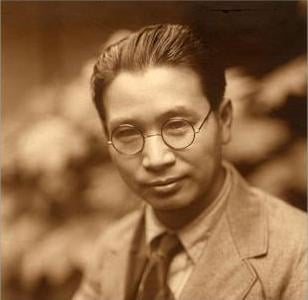
- Tenure/Life Period: July 10, 1888 – April 23, 1960
- Association and Role within Society or Entity: Founder of the Nada Consumer Co-operative (now Co-op Kobe); founder of the Japanese Consumers' Co-operative Union (JCCU); and leader of the Farmers' Liberation League.
- Contributions to the Cooperative Sector: Kagawa was a Christian socialist, labor activist, and pacifist who integrated cooperative economics with social justice programs to rebuild Japan's civil society. Moving into the slums of Kobe, he organized the urban poor, dockworkers, and tenant farmers into medical, housing, agricultural, and consumer cooperatives.
- His crown jewel, Co-op Kobe, expanded into one of the single largest retail consumer cooperatives in the world. Kagawa viewed cooperatives as the practical application of peace, writing extensively on "Brotherhood Economics." Following the devastation of World War II, he served as an advisor to the Japanese transition government, lobbying for the passage of the landmark Consumer Cooperative Society Law of 1948. This legislation shielded rural communities and urban consumer pools from hyperinflation and market shocks during the post-war reconstruction period, establishing the cooperative sector as a key pillar of Japan's modern domestic economy.
- Awards and Recognitions: Nominated for the Nobel Prize in Literature (1947, 1948) and the Nobel Peace Prize (1954, 1955, 1956) for his humanitarian efforts. He was posthumously awarded the prestigious Order of the Sacred Treasure (First Class) by the Emperor of Japan in 1960, and his legacy is preserved at the Kagawa Archives and Resource Center in Tokyo.
Toyohiko Kagawa
Last Updated: 3/7/2026Category: Global