The proposed Health Care IT and Revenue Cycle Co-operative Society has applied for registration and has sought the support of the Kerala Cooperation Department to expedite the process, according to Jijy Philip, Founder and CEO of Unified Advantage Consulting Pvt. Ltd. (UACC), who is assisting the initiative.
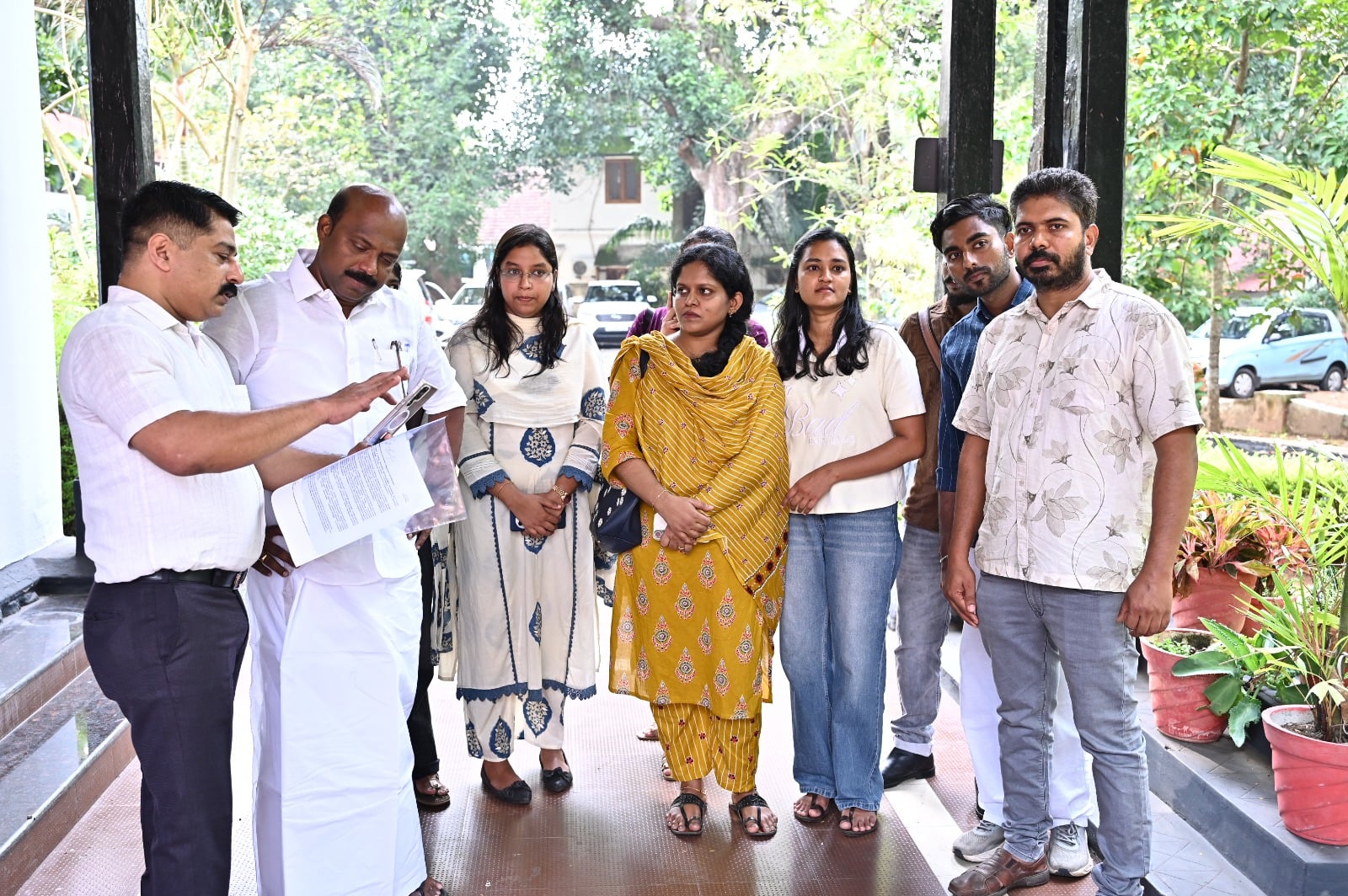
Philip and the society’s promoters met Kerala Cooperation Minister M. M. Liju in Thiruvananthapuram on Thursday and submitted the project report. Philip said the minister responded positively and that the promoters are hopeful of receiving the registration approval soon.
The initiative has already identified prospective clients. According to Philip, once the society receives the required approval, it expects to enter into Memoranda of Understanding (MoUs) with clients and begin taking up assignments.
The idea emerged after CorroHealth announced the closure of its centres in Kochi and Kozhikode on July 3, 2026, affecting approximately 800 to 900 employees.
While the affected employees were protesting against the sudden shutdown, Philip approached them to discuss their future employment prospects. He proposed forming a cooperative society that would bring the professionals together and enable them to continue their work through a collectively owned enterprise.
Following the protests and the company's compensation process, the employees held an online meeting to discuss the proposal, clarify their concerns and work out the basic structure of the proposed society. A core group of 26 individuals was subsequently identified to serve as the Executive Committee and promoters responsible for handling the registration process and related formalities.
Vishnu T. P., Chief Promoter of the proposed society, acknowledged that the cooperative concept was introduced by Philip during the employees' protest against the closure of CorroHealth's Kerala operations.
The proposed venture aims to demonstrate how the cooperative model can be applied to technology and professional services, rather than being limited to conventional credit and thrift activities.
The society is envisioned as a technology enterprise owned and operated by the professionals working within it. Members would collectively own the organisation, undertake technology and service assignments, and create employment opportunities through shared ownership and participation.
Its initial areas of focus will include healthcare IT, medical coding, medical billing, revenue cycle management and related services. The promoters believe this model can provide skilled professionals with greater ownership, participation and control over their professional future.
Philip also highlighted plans to attract investment from private individuals by offering shares in the cooperative society, subject to applicable regulatory requirements.
The promoters view the proposed society as the starting point for a broader cooperative entrepreneurship initiative. Beyond providing employment opportunities for the former CorroHealth employees, they hope the model could eventually benefit fresh graduates, women returning to the workforce and skilled professionals in smaller towns.
According to Chief Promoter Vishnu T. P., the society will initially concentrate on the healthcare sector. Its activities may expand into other fields in the future, depending on available opportunities and the nature of assignments received.
The initiative represents an emerging application of cooperative principles in the technology and services sector, placing collective ownership and professional collaboration at the centre of a new employment model.